
What Are Phreatomagmatic Eruptions and How They Form?
Phreatomagmatic eruptions occur when rising magma interacts with external surface water such as a shallow lake, sea, or groundwater. Some authors call them hydromagmatic eruptions.

 Mcnair, B.
Phreatomagmatic eruptions occur when rising magma interacts with external surface water such as a shallow lake, sea, or groundwater. Some authors call them hydromagmatic eruptions.
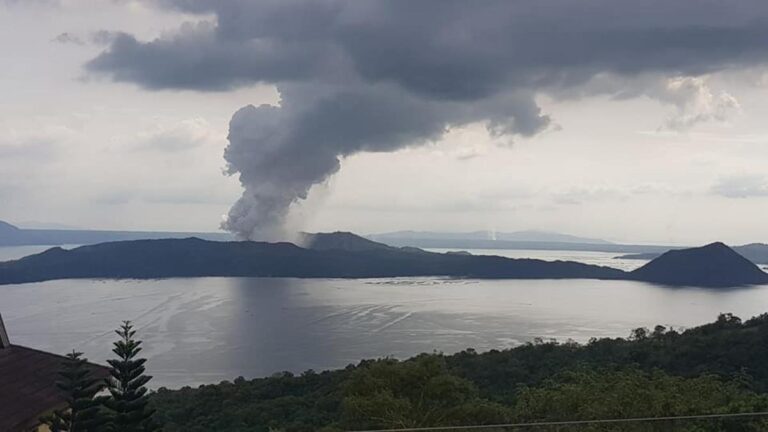
Phreatic eruptions occur when magma, lava, hot rock, or volcanic deposits suddenly heat or boil surface or groundwater to steam, causing an explosion of steam,
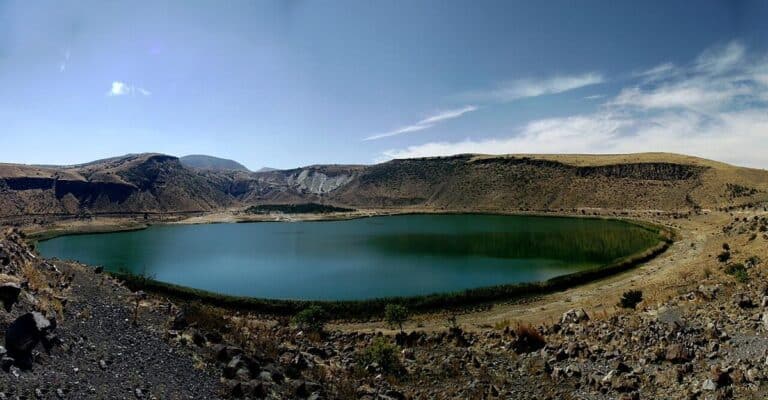
Hydrovolcanic landforms form from the explosive steam eruption created by the interaction between hot rising magma and water. These landforms are maars, tuff rings, and

Maars are shallow, nearly rounded to oval bowl-shaped volcanic craters surrounded by low rims of fragmental debris or pyroclasts. These landforms are hydrovolcanic and usually

Tuff rings are small, low-profile, circular volcanic cones with broad, shallow craters and gentle slopes. These volcanic landforms form from steam explosions that result from
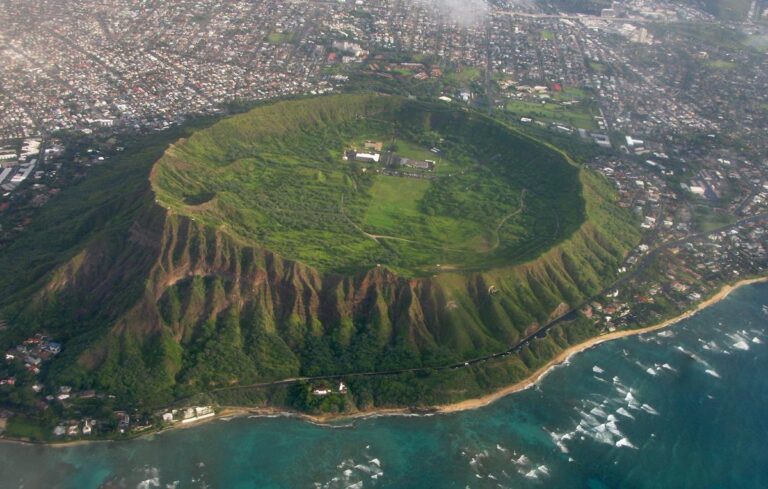
Tuff cones or ash cones are small, nearly circular, low-profile, steep-sided volcanic landforms with a cone-like shape and a broad, bowl-shaped crater at their summits.

Nuées ardentes, Peléan clouds, or glowing avalanches refer to hot, sometimes incandescent turbulent clouds of expanding gas, ash, and other volcanic debris rapidly flowing downwards
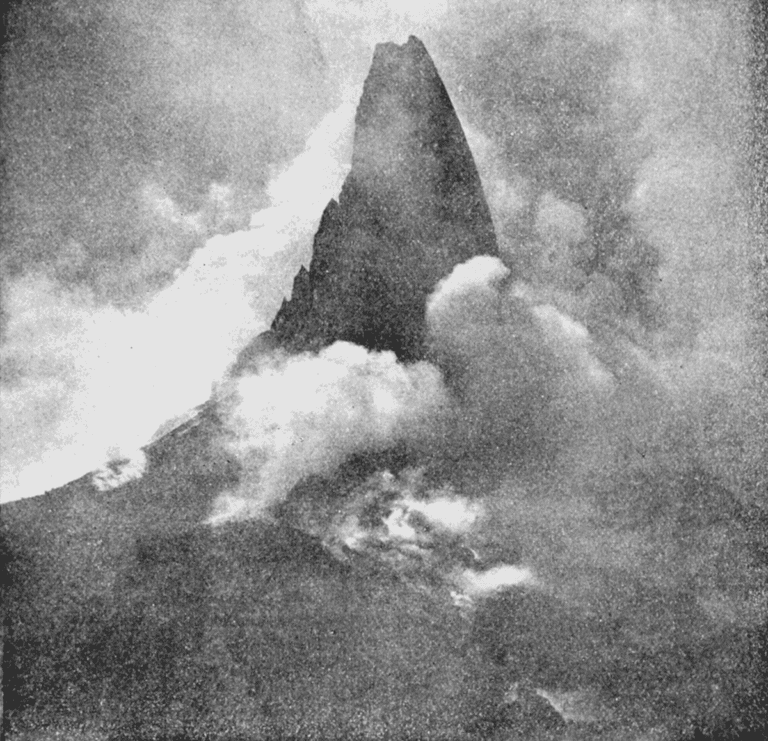
Lava domes are steep-sided mounds of volcanic rocks formed by extrusion and piling of thick lava around the vent. The high viscosity (resistance to flow)
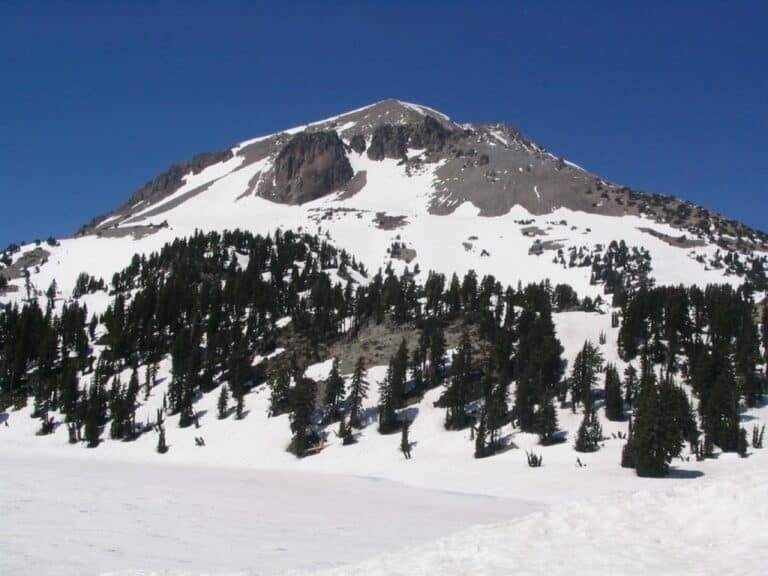
Lava domes are rounded, often steep-sided mounds or spines formed from thick or viscous lava extrusion from volcanic vents. This lava cools around the vent