
What Is Volcanic Ash, Its Effects, and How to Mitigation Them
Volcanic ash is a mixture of unconsolidated particles or pieces of rocks, mineral crystals, and glass shards measuring less than 2 mm in size ejected

Volcanic ash is a mixture of unconsolidated particles or pieces of rocks, mineral crystals, and glass shards measuring less than 2 mm in size ejected
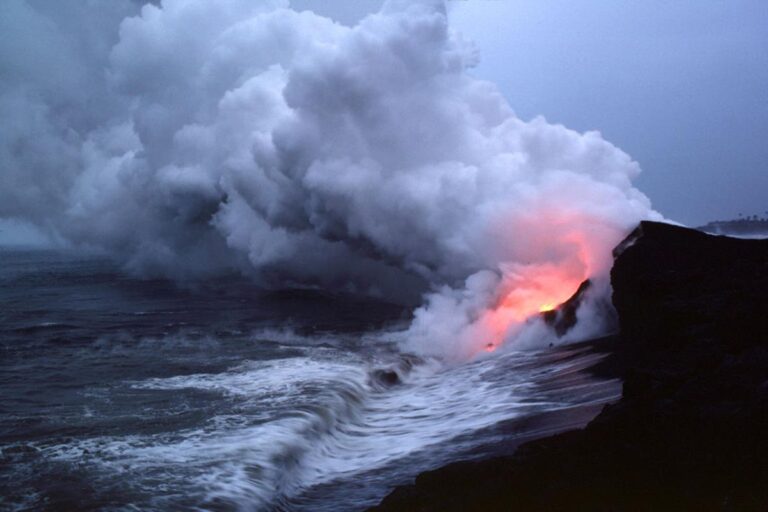
Littoral cones are small, conical, rootless hydrovolcanic landforms. We call them rootless together with hornitos because they don’t have vents connecting them to magma chambers

Rootless cones, pseudocraters, or secondary vents describe craters, vents, or volcanic landforms without a conduit connecting them to magma chambers beneath the surface. These volcanic
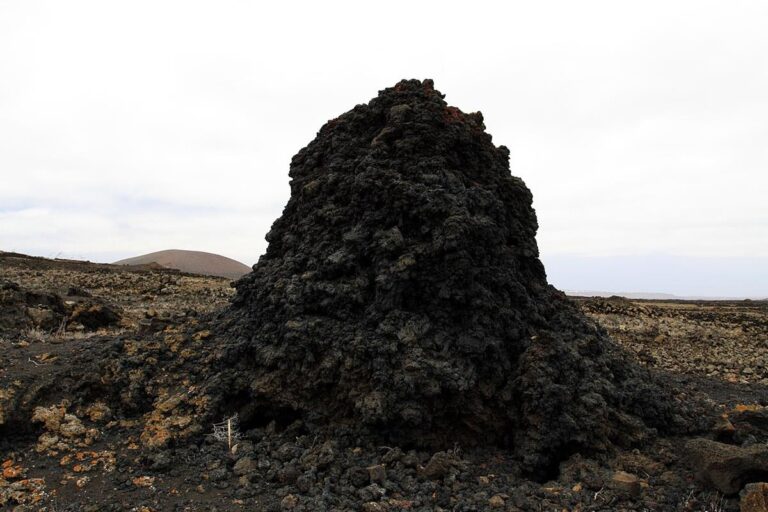
Hornitos are small, rootless, conical, or nearly vertical pipe-like volcanic landforms or structures that occur on the surface lava flow fields. These structures form when

Tephra is a collective name for fragmented materials ejected during a volcanic eruption. These fragments may be of any size or composition. Also, the emplacement
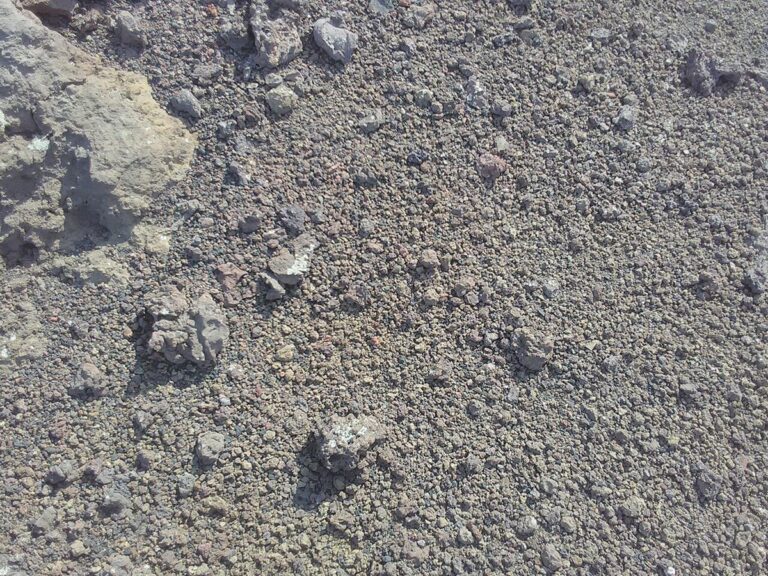
Pyroclasts refer to all fragments ejected during an explosive volcanic eruption. These fragments or clasts can still be molten, partially molten, or solidified magma. Also,
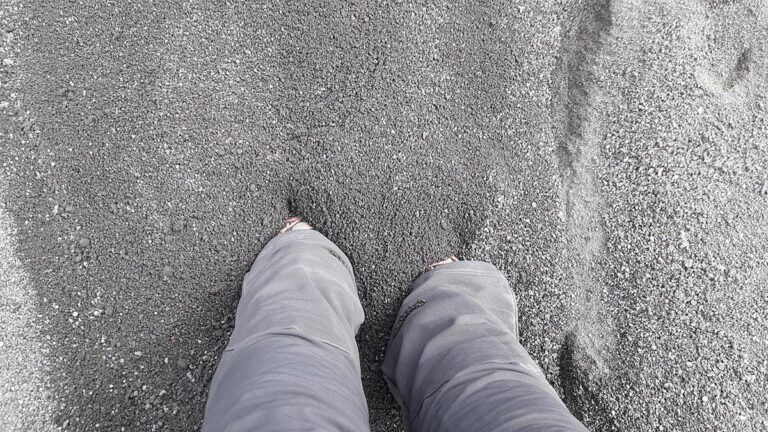
Volcaniclastics is a collective term for fragmented volcanic materials. This term doesn’t account for how the fragmentation and where they are deposited occurs. Also, using
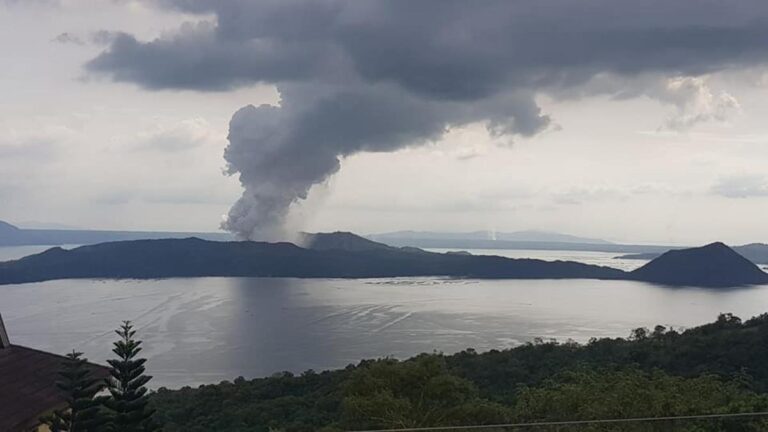
Phreatic eruptions occur when magma, lava, hot rock, or volcanic deposits suddenly heat or boil surface or groundwater to steam, causing an explosion of steam,
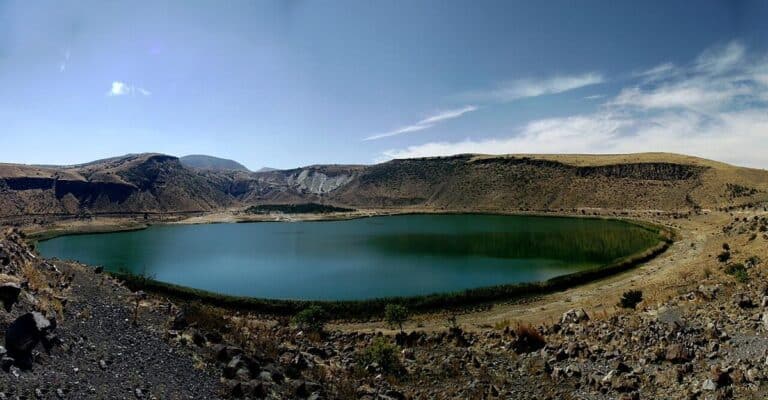
Hydrovolcanic landforms form from the explosive steam eruption created by the interaction between hot rising magma and water. These landforms are maars, tuff rings, and