
Felsic and Mafic Rock and Mineral Differences
Felsic and mafic are field terms we use to classify igneous rocks, their magma, or lava. This classification is based on their mineral composition, i.e.,

Felsic and mafic are field terms we use to classify igneous rocks, their magma, or lava. This classification is based on their mineral composition, i.e.,

Felsic describes rocks, magma, or lava high in silica and felsic minerals. Felsic minerals are rock-forming silicates high in silicon, oxygen, aluminum, potassium, and sodium.

An ignimbrite or ash-flow tuff is a type of volcanic rock formed from pyroclastic flow deposits. It has poorly sorted pumice fragments, scattered lithic fragments,

Trachyte is fine-grained, usually light-colored volcanic or extrusive igneous rock. It has an intermediate composition with its essential alkali feldspar, lesser plagioclase, and minor mafic

Rhyodacite is a fine-grained, light-colored volcanic or extrusive rock. This felsic rock has mainly plagioclase, quartz, alkali felspar, and smaller amounts of mafic minerals. The

Dacite is a fine-grained, light-colored volcanic or extrusive igneous rock. Its composition is felsic and mainly has plagioclase feldspar, quartz, lesser alkali feldspar, minor hornblende,
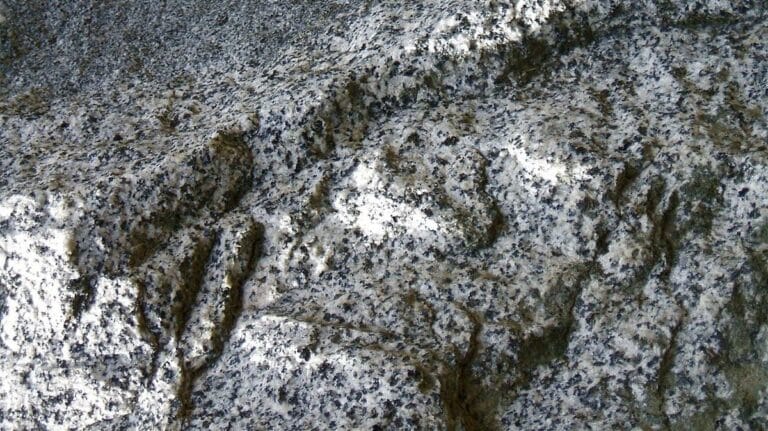
Granodiorite is a coarse-grained, light-colored plutonic rock. It has mainly plagioclase, quartz, lesser alkali feldspar, and minor amounts of mafic minerals like mica and amphibole.
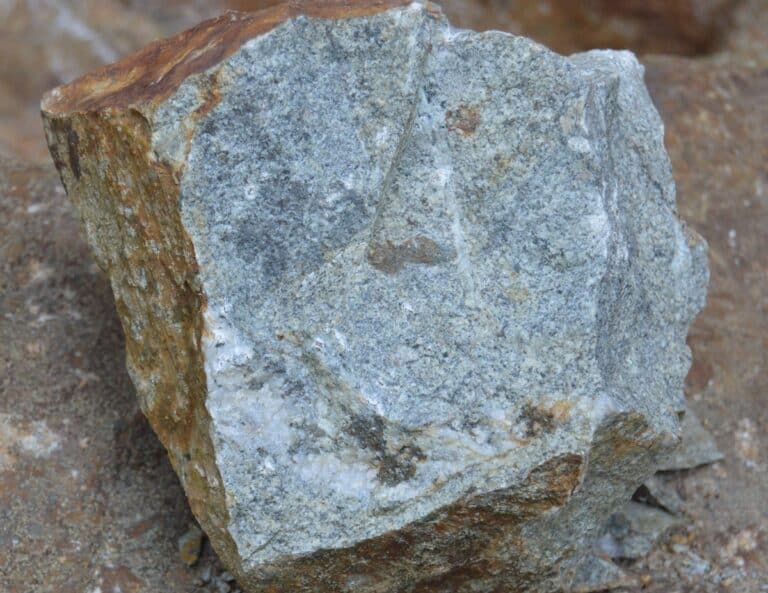
Tonalite is a coarse-grained, light-colored, plutonic or intrusive rock. Its composition is mainly plagioclase, quartz, and small amounts of biotite, hornblende, and sometimes pyroxenes. Also,
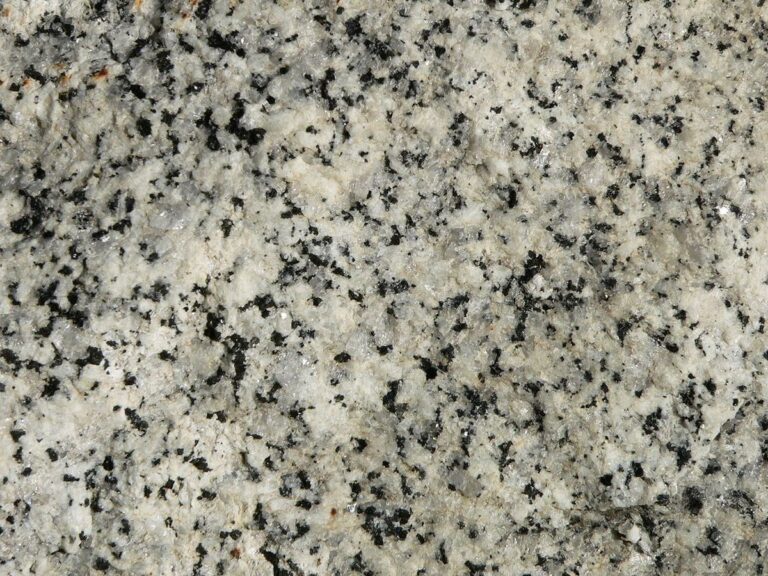
Granite is a coarse-grained, light-colored, plutonic, or intrusive igneous rock. It is dominated by alkali feldspar, quartz, and plagioclase, with other minerals like amphibole, mica,