
What Are Hyaloclastites and How Do They Form?
Hyaloclastites are an accumulation of angular basaltic glass fragments or their breccia. A breccia is a rock with volcanic fragments cemented in a fine-grained matrix.

Hyaloclastites are an accumulation of angular basaltic glass fragments or their breccia. A breccia is a rock with volcanic fragments cemented in a fine-grained matrix.
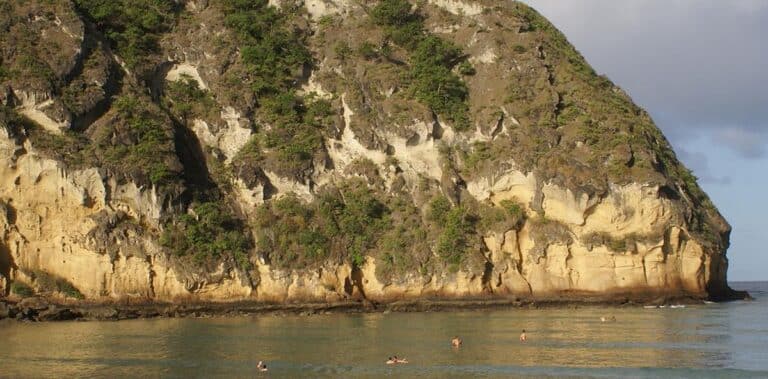
Palagonite is a yellow, yellow-orange, or brownish material formed from the alteration of basaltic or glass with a chemical composition like basalt. However, it may

Tachylite rock is an opaque black or brown basaltic glass with a greasy look and a resinous luster. It is a natural volcanic glass that

Sideromelane is a transparent or clear brownish or yellow-brown colored basaltic glass. It forms from rapid quenching of basaltic magma mostly (but not exclusively) in

Felsic and mafic are field terms we use to classify igneous rocks, their magma, or lava. This classification is based on their mineral composition, i.e.,
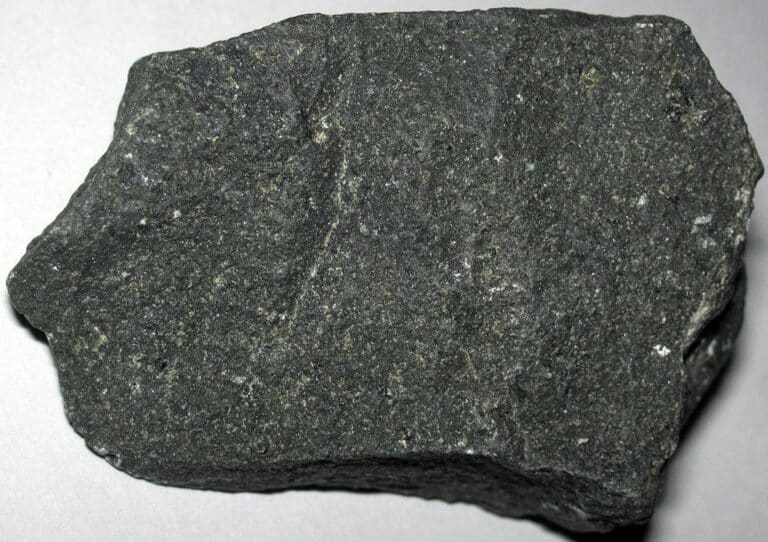
Mafic rocks, minerals, and magmas are common terms in geology, geosciences, or Earth sciences. You often come across them in igneous rocks and when looking

Troctolite is a coarse-grained intrusive igneous rock. It has mainly variable amounts of olivine, calcic plagioclase, and minor pyroxene. Its composition lies between anorthosite, where

An ignimbrite or ash-flow tuff is a type of volcanic rock formed from pyroclastic flow deposits. It has poorly sorted pumice fragments, scattered lithic fragments,
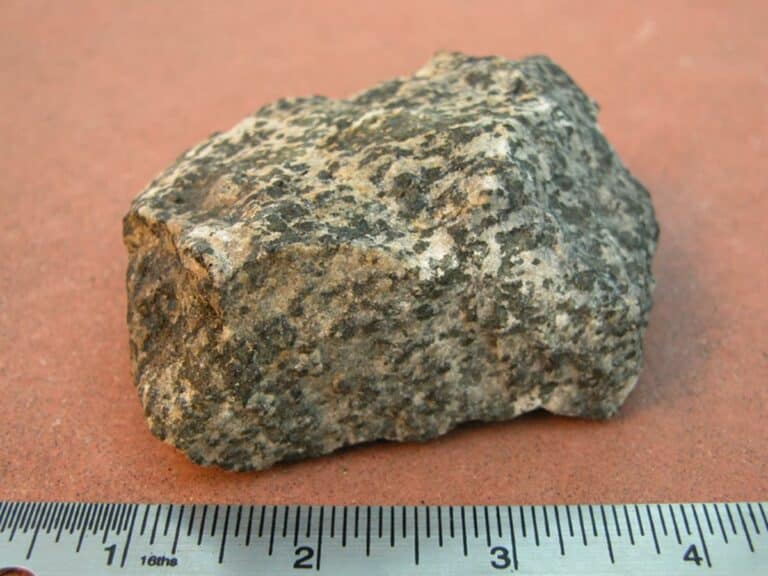
Norite is a coarse-grained, dark-colored plutonic rock. It has mainly calcium-rich plagioclase (= labradorite to bytownite) and orthopyroxene (= hypersthene or enstatite) with minor hornblende,