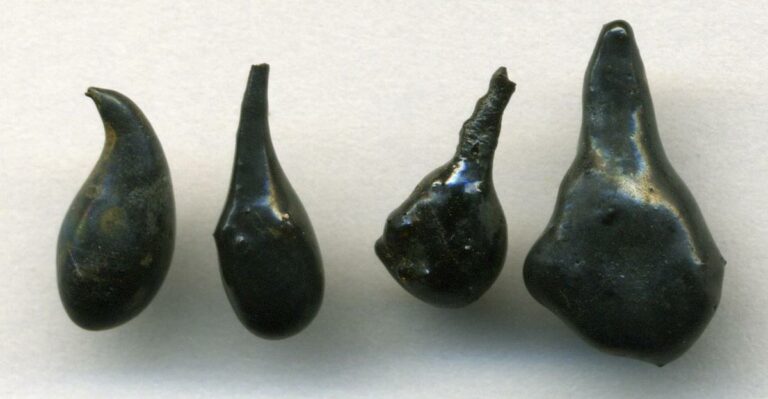
What Are Pele’s Tears and How Do They Form?
Pele’s tears are small jet-black teardrop, obovoid, spherical, or cylindrical-shaped volcanic glass droplets formed when tiny blobs of ejected magma cool quickly. They often precede

Pele’s tears are small jet-black teardrop, obovoid, spherical, or cylindrical-shaped volcanic glass droplets formed when tiny blobs of ejected magma cool quickly. They often precede
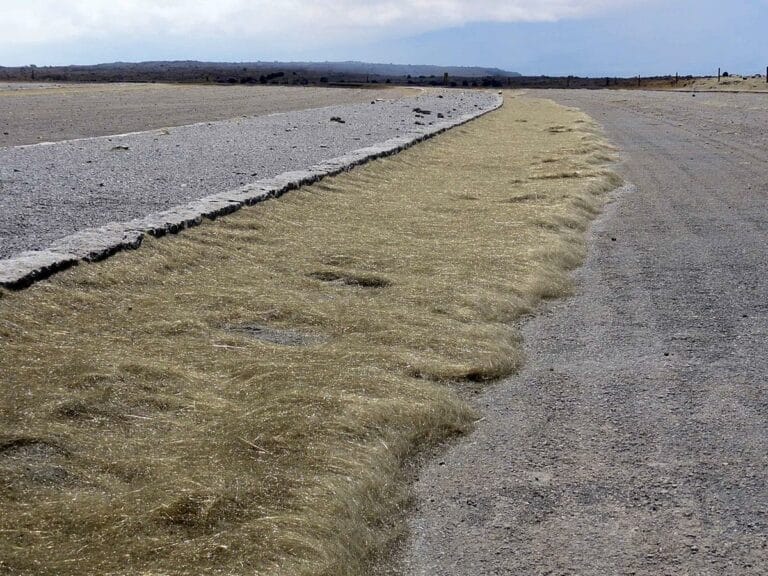
Pele’s hair is a formal geological term that volcanologists give to the golden-brown, fiber or thread-like strands of volcanic glass formed naturally from blowing out

Lapilli tuff and lapillistone refer to a pyroclastic rock formed from predominantly lapilli-sized (2-64 mm) pyroclasts ejected during an explosive volcanic eruption. These rocks can
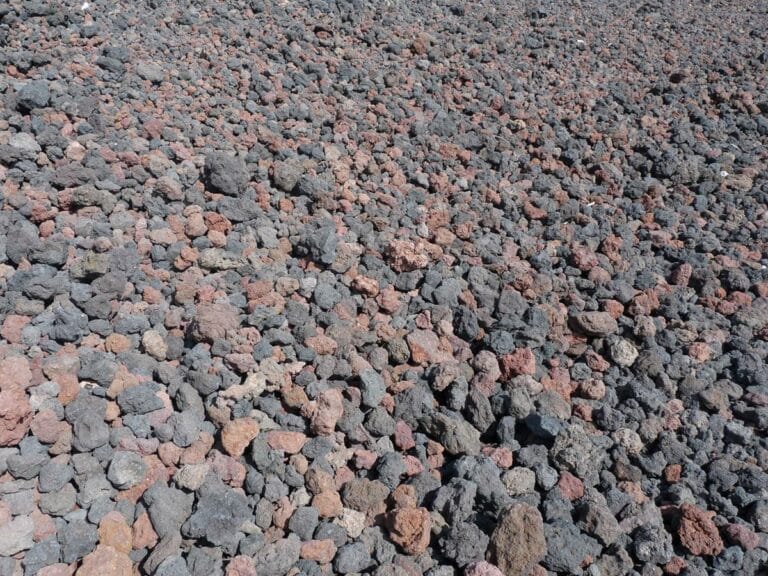
Lapilli are rock fragments or pyroclasts measuring 2 to 64 mm (0.08 to 2.52 inches) in diameter formed and ejected during an explosive eruption. These

A pyroclastic breccia is a volcanic rock with predominantly angular rock fragments larger than 64 mm (volcanic blocks) set in a finer grain matrix such
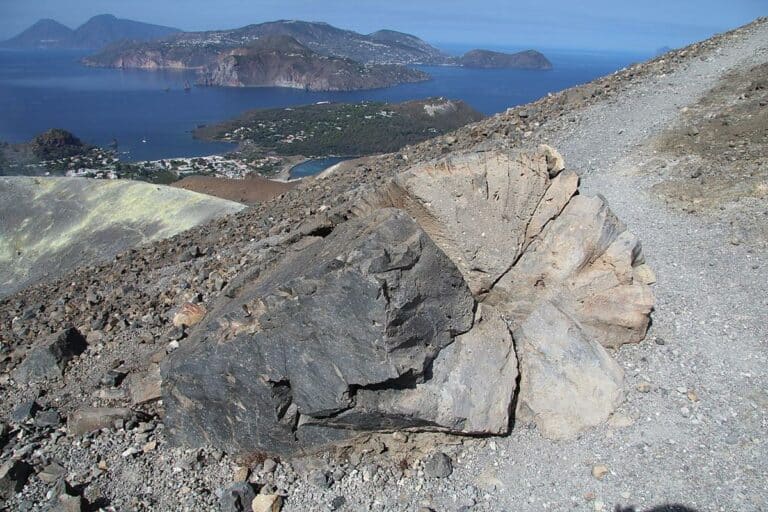
Volcanic blocks are angular to sub-angular rock fragments measuring more than 64 mm (2.5 inches) in size blasted into the air while in solid form

Lava or volcanic bombs are rounded to ellipsoid masses of lava measuring at least 2.5 inches ejected during a volcanic eruption. They get their aerodynamic
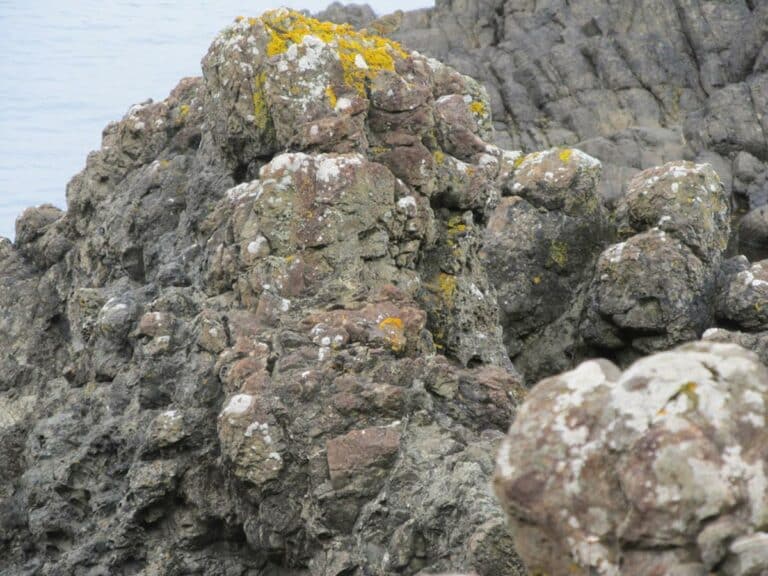
Agglomerates refer to the accumulation of coarse volcanic material (clasts, lava) and sometimes country rock fragments with at least 75% bombs set in a finer-grained matrix
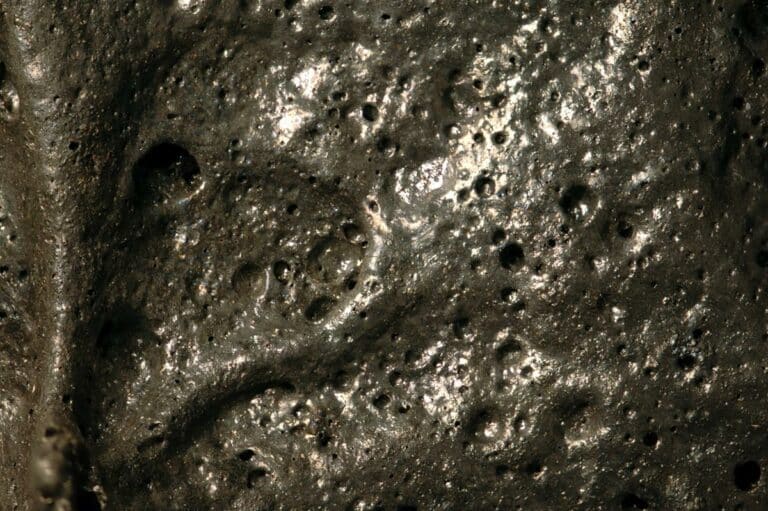
Volcanic glass is an amorphous or uncrystallized extrusive igneous rock. It forms from the rapid cooling or quenching of magma that doesn’t allow crystallization. Such