
What Is Relative Dating and Which Principles to Use
Relative dating is a science that geologists and archeologists use to determine the chronological sequence of geological events, i.e., their relative ages. It tells whether

Relative dating is a science that geologists and archeologists use to determine the chronological sequence of geological events, i.e., their relative ages. It tells whether
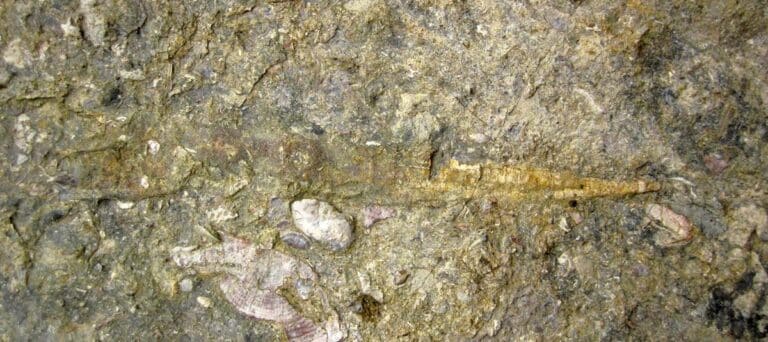
Biostratigraphy is a branch of stratigraphy that uses fossil content to correlate and determine the relative ages of strata. Its basic units are biozones; you

Biozones or biostratigraphic zones are the fundamental units for naming and classifying stratigraphic sections based on their fossil content. There are five biozones: range (taxon-range,

Biostratigraphic correlation (biocorrelation) involves subdividing larger fossiliferous stratigraphic units into small-scale units or biozones based on fossil content and using these zones to match local,

Biostratigraphy is a part of stratigraphy that studies the distribution of fossils in a stratigraphic record. It uses these fossils to subdivide, organize, and classify

Lithostratigraphy is a branch of stratigraphy. It describes and names bodies of rocks on Earth based on their lithology or lithic properties and stratigraphic position.
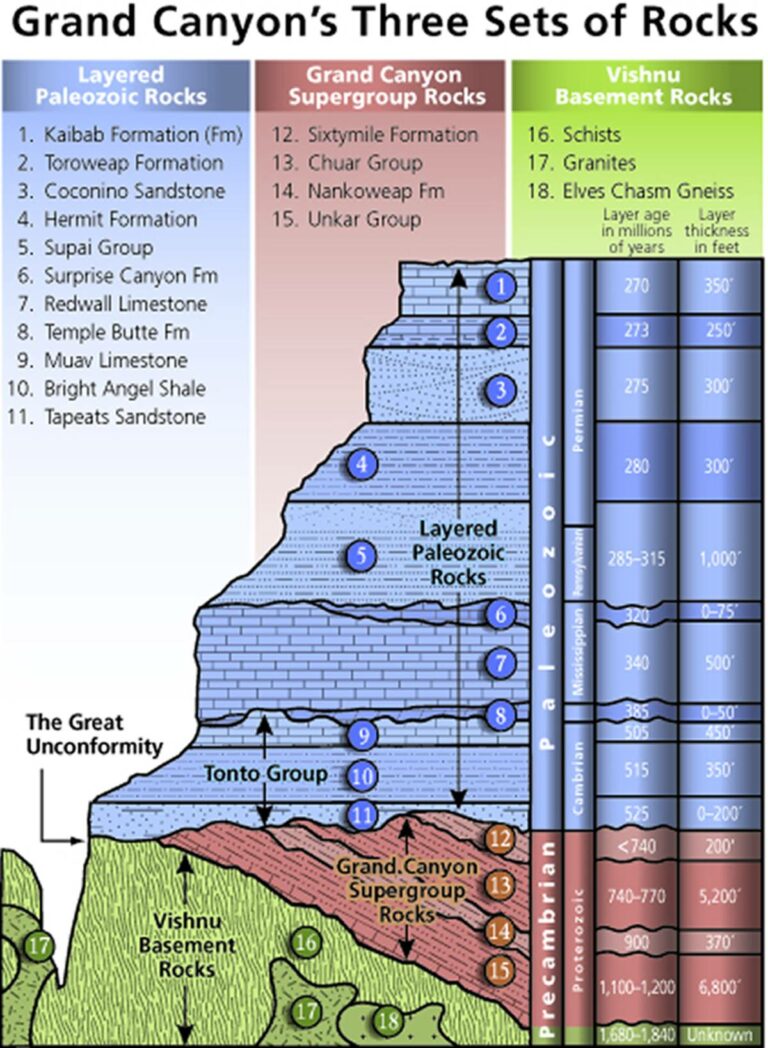
Lithostratigraphic units refer to defined bodies of rocks delineated and distinguishable based on their lithic/lithological characteristics and relative stratigraphic position. They can be bedded or

A geological formation is the basic or formal mappable body of rock with similar physical characteristics that sufficiently differentiates it from adjacent rock layers and
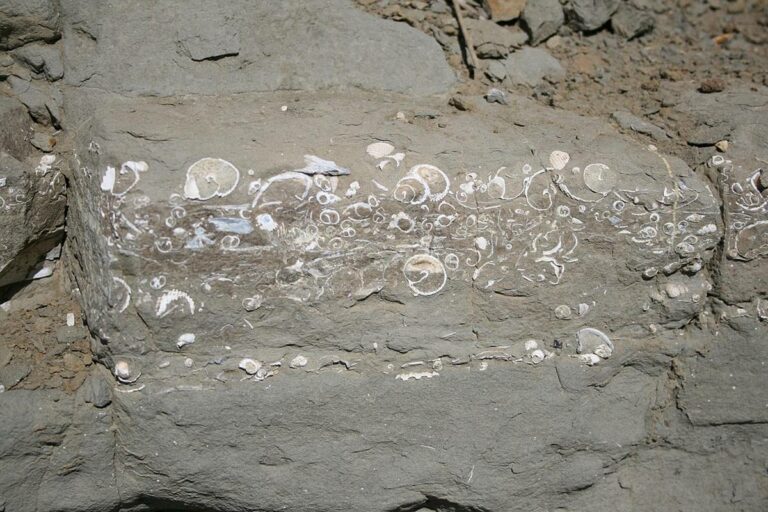
A fauna or fossil assemblage refers to a collection or group of ancient organisms’ remains or traces all found in the same rock layer or