
What Are Hyaloclastites and How Do They Form?
Hyaloclastites are an accumulation of angular basaltic glass fragments or their breccia. A breccia is a rock with volcanic fragments cemented in a fine-grained matrix.

Hyaloclastites are an accumulation of angular basaltic glass fragments or their breccia. A breccia is a rock with volcanic fragments cemented in a fine-grained matrix.

Obsidian is a felsic, naturally occurring volcanic glass. It has 69-77% silica and is relatively high in alkalis (>7%) and low in iron and magnesium

Pumice is a very low-density, form-like, mostly light-colored glassy volcanic rock with a vesicular texture, not a mineral. This rough, porous rock forms from mostly
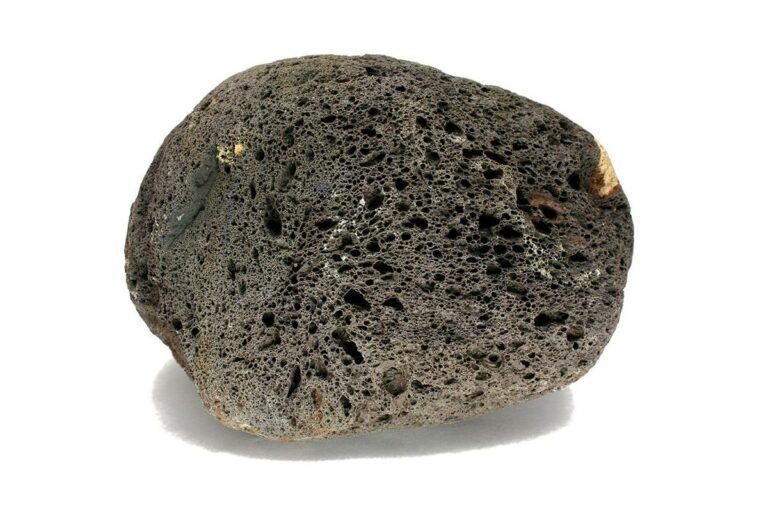
Scoria is a mafic to intermediate highly vesiculated dark gray, black, reddish, or brown extrusive igneous rock (volcanic glass). This vesicular textured pyroclastic rock forms
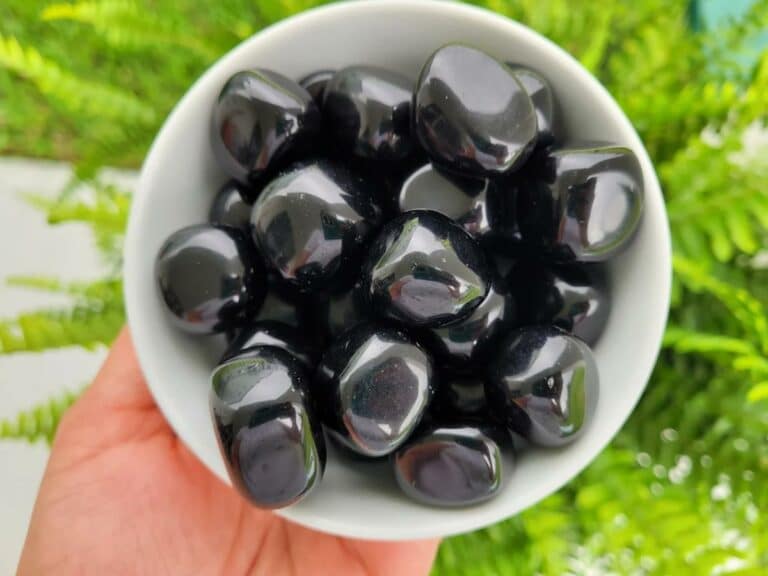
Apache tears (marekanite or obsidianites) are smoky, dark gray, gray-brown, or black indented tear-shaped, rounded, or subangular small obsidian balls, pebbles, or nodules measuring up
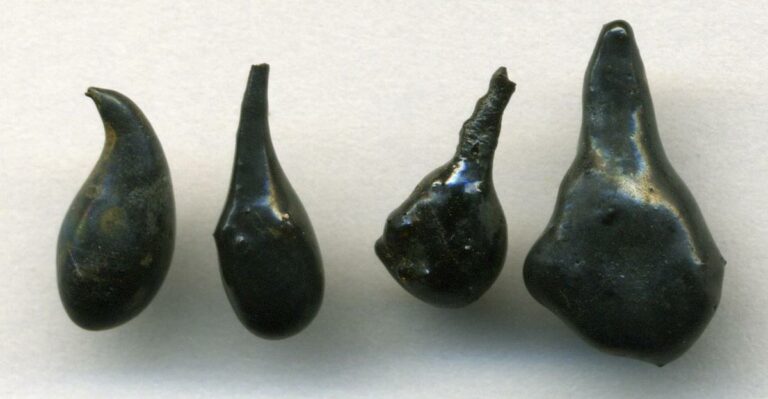
Pele’s tears are small jet-black teardrop, obovoid, spherical, or cylindrical-shaped volcanic glass droplets formed when tiny blobs of ejected magma cool quickly. They often precede
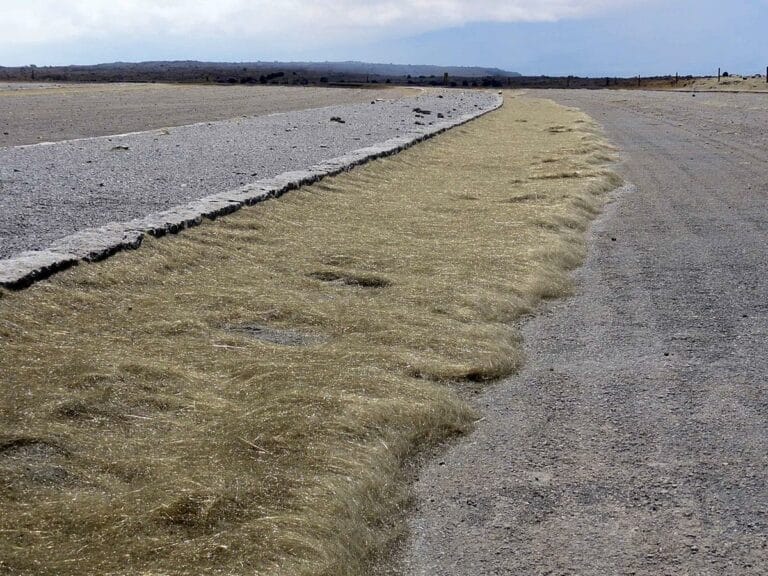
Pele’s hair is a formal geological term that volcanologists give to the golden-brown, fiber or thread-like strands of volcanic glass formed naturally from blowing out
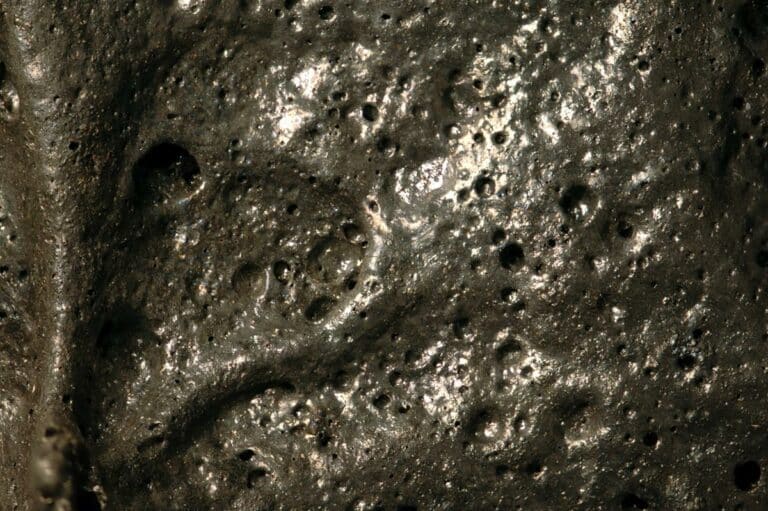
Volcanic glass is an amorphous or uncrystallized extrusive igneous rock. It forms from the rapid cooling or quenching of magma that doesn’t allow crystallization. Such

Glassy or vitreous rock texture describes the texture of amorphous solid volcanic glasses. Rocks with this texture form when magma or lava cools rapidly or