
What Are Hyaloclastites and How Do They Form?
Hyaloclastites are an accumulation of angular basaltic glass fragments or their breccia. A breccia is a rock with volcanic fragments cemented in a fine-grained matrix.

Hyaloclastites are an accumulation of angular basaltic glass fragments or their breccia. A breccia is a rock with volcanic fragments cemented in a fine-grained matrix.
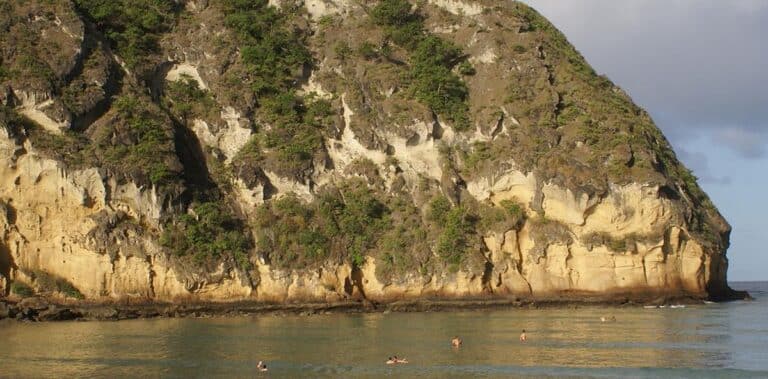
Palagonite is a yellow, yellow-orange, or brownish material formed from the alteration of basaltic or glass with a chemical composition like basalt. However, it may

Tachylite rock is an opaque black or brown basaltic glass with a greasy look and a resinous luster. It is a natural volcanic glass that

Sideromelane is a transparent or clear brownish or yellow-brown colored basaltic glass. It forms from rapid quenching of basaltic magma mostly (but not exclusively) in
Obsidian is a natural volcanic glass often called a volcanic or extrusive igneous rock. IUGS considers it a mineraloid since it has > 80% glass.

Obsidian is a felsic, naturally occurring volcanic glass. It has 69-77% silica and is relatively high in alkalis (>7%) and low in iron and magnesium

Pumice is a very low-density, form-like, mostly light-colored glassy volcanic rock with a vesicular texture, not a mineral. This rough, porous rock forms from mostly
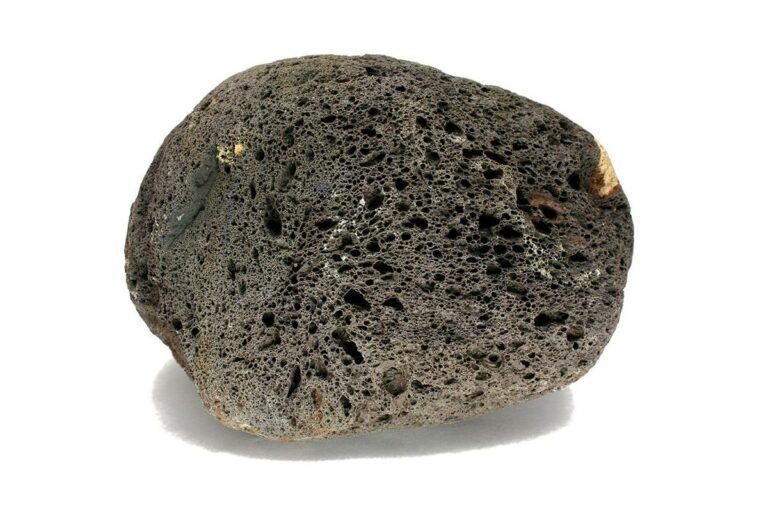
Scoria is a mafic to intermediate highly vesiculated dark gray, black, reddish, or brown extrusive igneous rock (volcanic glass). This vesicular textured pyroclastic rock forms
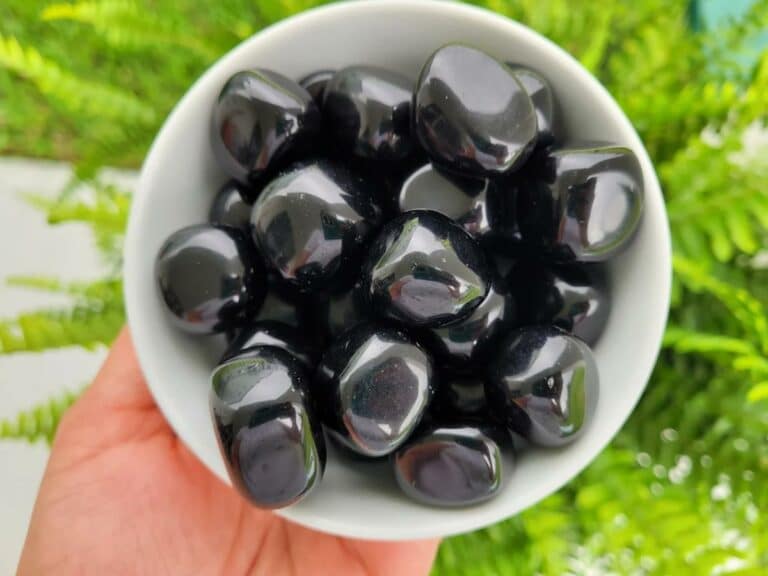
Apache tears (marekanite or obsidianites) are smoky, dark gray, gray-brown, or black indented tear-shaped, rounded, or subangular small obsidian balls, pebbles, or nodules measuring up