
What Are Geological Formations and Examples
A geological formation is the basic or formal mappable body of rock with similar physical characteristics that sufficiently differentiates it from adjacent rock layers and

 Mcnair, B.
A geological formation is the basic or formal mappable body of rock with similar physical characteristics that sufficiently differentiates it from adjacent rock layers and
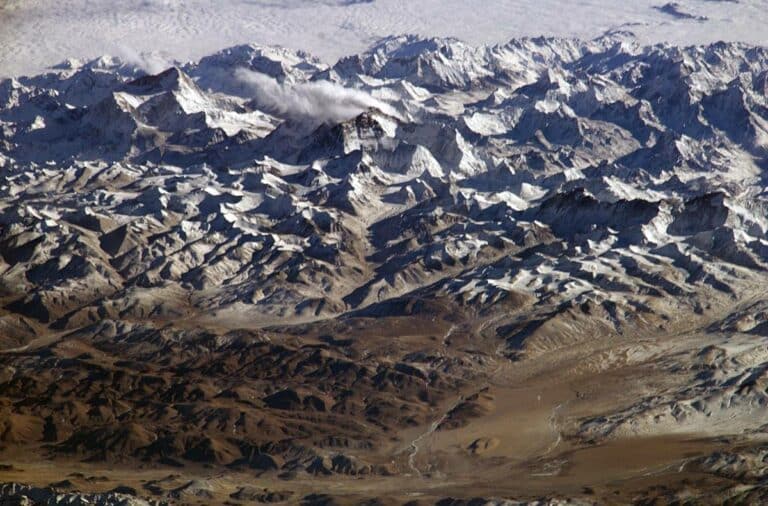
The catastrophism vs. uniformitarianism looks at the differences between these philosophies or opinions. Such include the age of Earth, geologic features formation processes (natural vs.

The principle of uniformitarianism states that natural laws and processes (chemical and physical) operating today have always operated in the past but not necessarily at
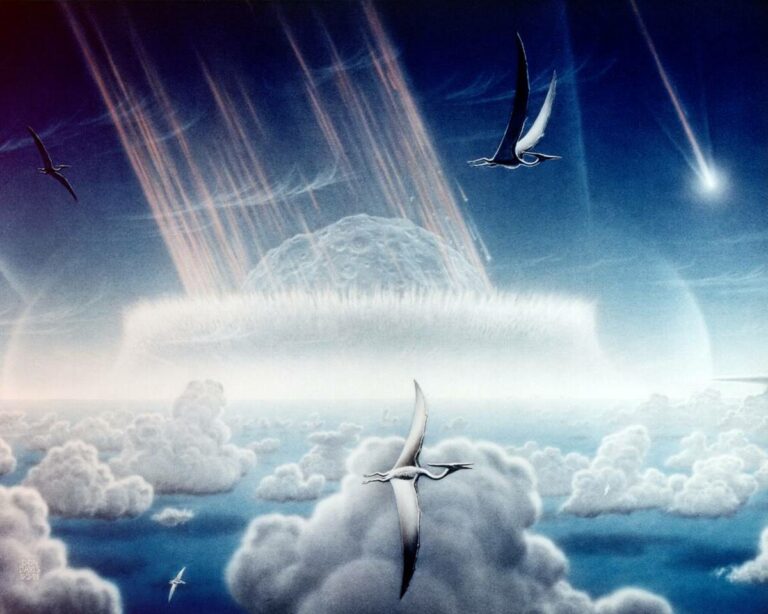
Catastrophism is a doctrine advanced by Baron Georges Cuvier, a French zoologist. It theorized that a series of sudden, short-lived, often widespread/worldwide disasters shaped the

Neptunism is an obsolete geological theory by Abraham Gottlob Werner, a German mineralogy professor. It stated that granitic and basaltic rocks formed from crystallizing mineralized
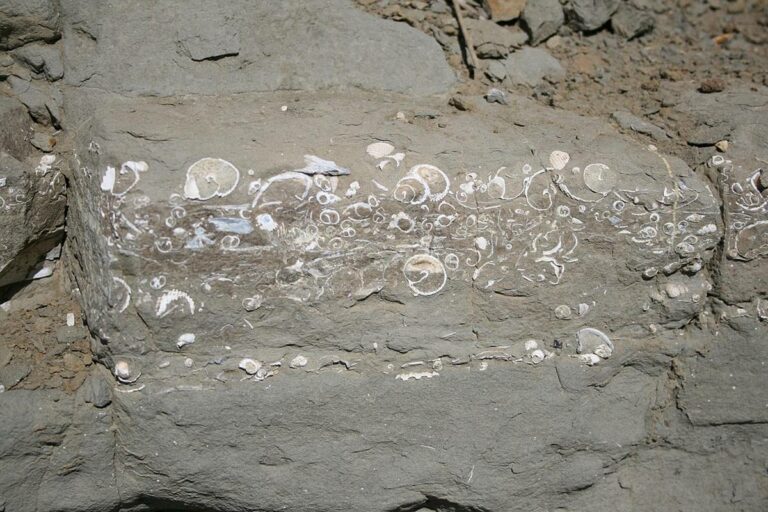
A fauna or fossil assemblage refers to a collection or group of ancient organisms’ remains or traces all found in the same rock layer or
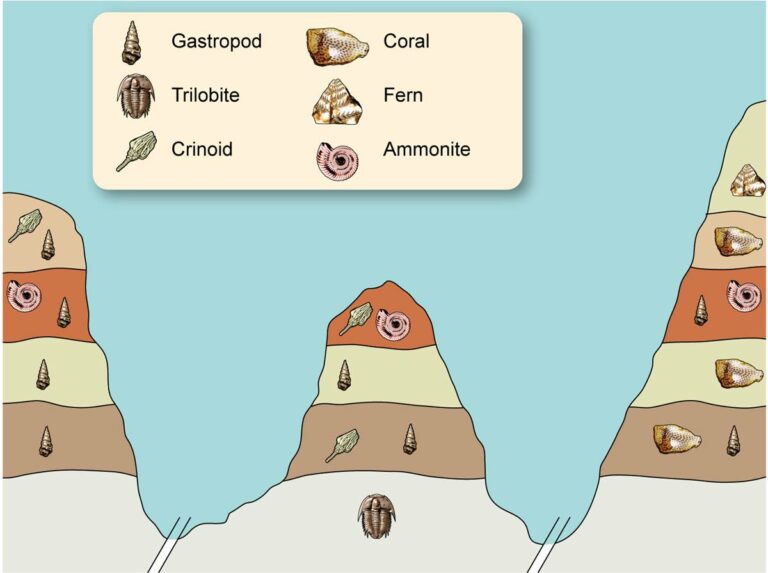
Index fossils, also known as key, guide, or indicator fossils, are preserved remains of ancient organisms. These organisms were abundant, geographically widespread, distinctive, easily recognizable,

Smith’s law or principle of faunal succession states that sedimentary strata contain different fossils (fauna and flora) that succeed each other vertically in a specific
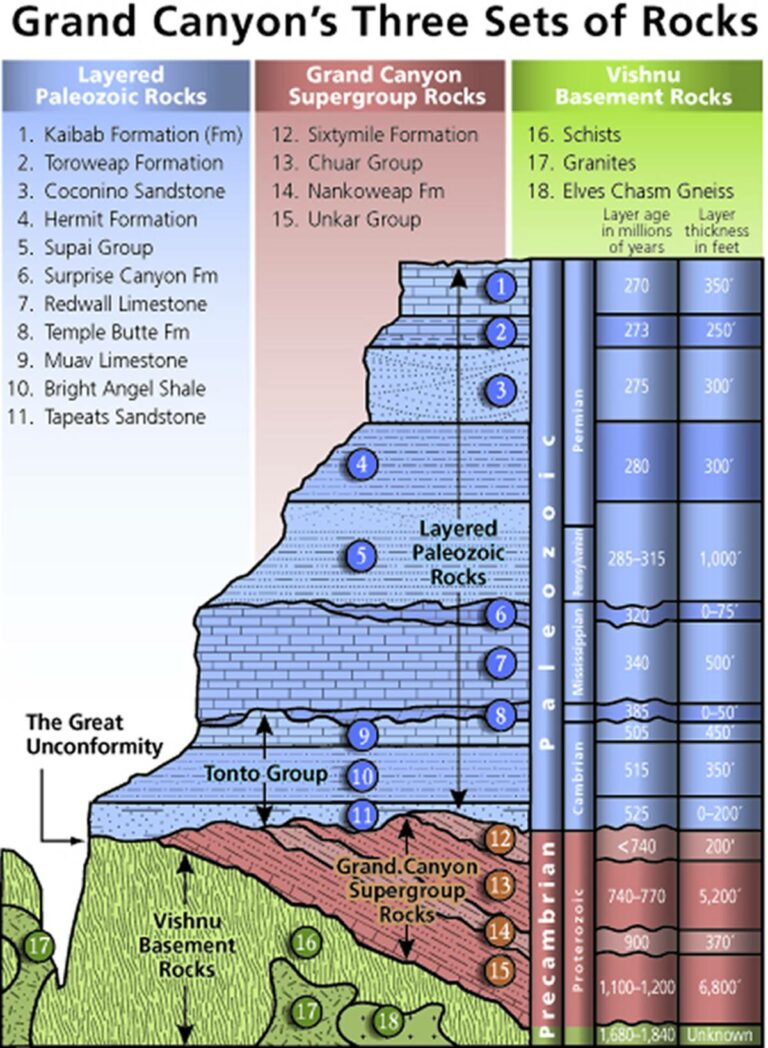
Unconformity in geology or Earth Science refers to a buried erosional and/or non-deposition surface separating lower older rock mass/strata and the younger upper one with